
Colorado’s vast and varied landscape, from the rugged Rocky Mountains to sprawling plains, poses unique challenges for pilots. Navigating across the state requires more than just skill and experience; it demands precision technology that enhances situational awareness and safety. Modern avionics systems have become indispensable for ensuring that aircraft can handle the state’s diverse flying conditions, especially given Colorado’s unpredictable weather patterns.
In recent years, pilots and aircraft owners across the region have invested heavily in avionics safety upgrades. These advancements not only improve navigation accuracy but also help pilots make better decisions in real time. From advanced autopilot systems to integrated traffic and weather displays, avionics have transformed how flights operate in the Centennial State. For Colorado aircraft operators, upgrading avionics isn’t just about convenience; it’s a crucial commitment to safety.
Autopilot System Installation: Enhancing Precision and Reducing Workload
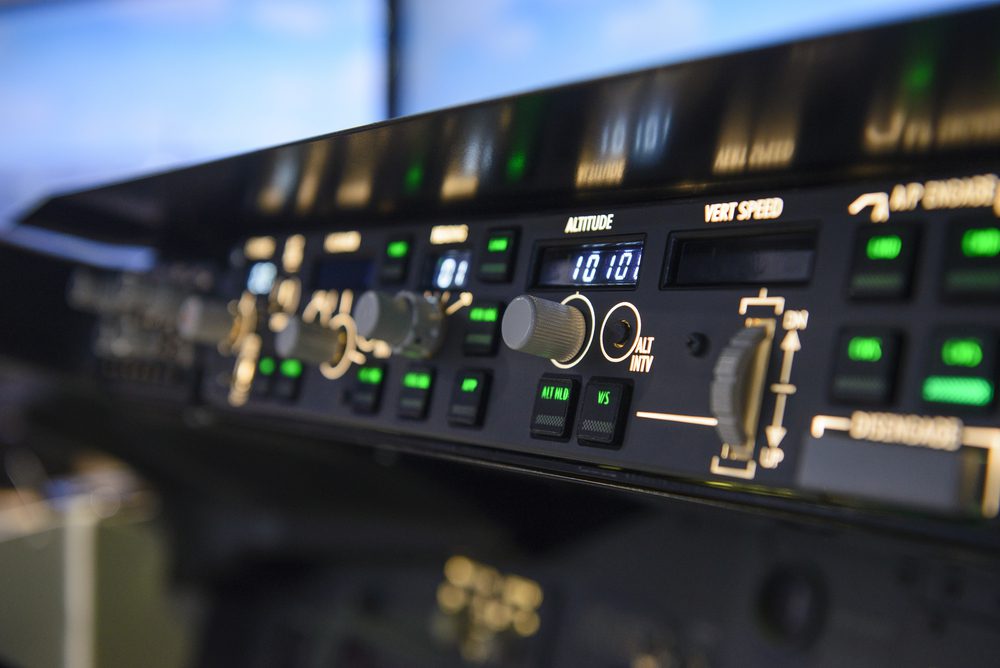
One of the most significant improvements in aviation safety technology is the autopilot system installation. Modern autopilot systems have evolved far beyond their early designs, offering comprehensive control and monitoring that can manage everything from altitude to navigation routing. When properly integrated into a Colorado aircraft, these systems can significantly reduce pilot fatigue, particularly during long or high-altitude flights over mountainous terrain.
Autopilot technology enhances precision by maintaining exact flight paths and stable altitude, even under turbulent conditions. It allows pilots to focus on situational awareness and communication rather than continuous manual adjustments. The installation of an advanced autopilot system in Colorado aircraft also supports safer operations in instrument flight rules (IFR) conditions, common during the region’s variable weather.
Additionally, newer systems integrate seamlessly with GPS navigation and flight management systems, allowing for automatic course corrections and terrain awareness. For pilots flying in Colorado’s high-altitude airports or navigating valleys surrounded by peaks, this precision can make all the difference between a smooth flight and a challenging one. With professional installation and calibration, autopilot systems provide both reliability and safety for every flight.
Traffic and Weather Integration: Staying Aware in All Conditions
While the autopilot handles control and stability, pilots still need accurate awareness of their environment. This is where integrated traffic and weather systems come into play. In a state like Colorado, where sudden storms or unexpected winds can change flight conditions rapidly, having real-time data is essential.
Modern avionics systems bring together traffic and weather information on a single, intuitive display. Pilots can view nearby aircraft, predict potential conflicts, and adjust routes before they become safety concerns. Likewise, advanced weather overlays provide detailed insights into storm cells, precipitation, and turbulence areas. These capabilities give pilots a clear picture of what lies ahead, allowing them to avoid hazardous conditions long before they encounter them.
Colorado’s complex airspace, which mixes busy general aviation corridors with mountain passes and training zones, benefits greatly from this technology. The ability to see both traffic and weather data simultaneously ensures that pilots can plan alternate routes, communicate effectively with air traffic control, and maintain a safe distance from other aircraft. The combination of these features doesn’t just enhance comfort; it directly contributes to safer skies across the state.
Avionics Safety Upgrades: Future-Proofing Colorado Aircraft
For aircraft owners, investing in avionics safety upgrades is about more than meeting current standards; it’s about preparing for the future of flight. The Federal Aviation Administration (FAA) continues to modernize the national airspace system, with new technologies like ADS-B (Automatic Dependent Surveillance–Broadcast) and digital communication protocols becoming standard. Staying ahead of these requirements ensures that Colorado aircraft remain compliant and capable of operating safely across all types of controlled airspace.
Beyond compliance, avionics safety upgrades improve operational efficiency and reliability. Pilots gain access to clearer displays, enhanced radar, digital flight logs, and integrated autopilot functions. These upgrades often include touch-screen interfaces that simplify flight management, as well as synthetic vision systems that display a 3D rendering of the surrounding terrain. This is particularly valuable in Colorado, where visibility can shift quickly due to snow, fog, or afternoon thunderstorms.
Moreover, newer avionics components are designed with redundancy and fault detection in mind. If a system experiences a malfunction, pilots receive immediate alerts and backup options. This level of reliability can be a lifesaver when operating in the challenging mountain environments of Colorado. By investing in regular upgrades, aircraft owners ensure that their planes not only meet evolving safety standards but also offer the highest possible protection for everyone on board.
The Role of Professional Installation and Maintenance
While advanced avionics and autopilot systems offer exceptional benefits, they must be installed and maintained by certified professionals. The process of autopilot system installation involves meticulous calibration, system testing, and integration with existing flight instruments. This is especially critical in Colorado, where environmental conditions such as altitude and temperature variations can impact system performance.
Qualified avionics technicians ensure that each component functions as intended and that all systems communicate properly. They also provide firmware updates, software calibration, and post-installation inspections that confirm compliance with FAA regulations. Maintenance doesn’t end after installation; ongoing inspections and updates are vital to ensure continued reliability.
In Colorado’s diverse aviation community, from private pilots flying out of regional airports to commercial operators serving mountain towns, professional support plays a key role in sustaining operational safety. Regular diagnostics, software updates, and functional testing extend the lifespan of avionics systems and help pilots maintain confidence in their equipment. This combination of technology and expert care represents the foundation of safe, modern flying in Colorado’s skies.
A Safer Future for Colorado Aviation
The evolution of aviation technology has made flight safer, more efficient, and more precise than ever before. For Colorado aircraft owners and pilots, the integration of autopilot systems and advanced traffic and weather tools provides peace of mind in an environment known for its complexity and unpredictability. Whether crossing the Rockies or navigating busy air corridors, these systems deliver the situational awareness and automation needed to enhance both performance and safety.
By prioritizing avionics safety upgrades and professional installation, Colorado’s aviation community continues to set the standard for operational excellence. Every new piece of equipment, from sophisticated autopilot systems to real-time weather displays, represents a commitment to protecting lives and preserving aircraft integrity. As aviation continues to evolve, Colorado stands at the forefront of this technological transformation, ensuring that every journey through its skies is as safe as it is breathtaking.
Need Avionics Experts Near You?
Here at Depot Avionics, Inc., we understand the critical role that modern avionics systems play in enhancing the safety and efficiency of your aircraft. With over 45 years of dedicated service in Alamosa, Colorado, we specialize in providing top-notch sales, installation, and repair services for a wide range of avionics equipment, including radios, flight displays, autopilot systems, and more. Whether you’re looking to upgrade your current systems or ensure compliance with the latest regulations, our expert team is here to assist you every step of the way. Contact us today to explore how we can tailor a solution to meet your specific needs and elevate your flying experience to new heights.